Domestic violence is not limited to physical abuse. It can also leave victims financially dependent and unable to meet their daily needs. In many cases, survivors struggle to pay for food, rent, medical treatment, children’s education, or even basic living expenses after facing domestic abuse. Recognizing this reality, the Protection of Women from Domestic Violence Act, 2005 (PWDVA) provides financial protection through Section 20, which empowers courts to grant monetary relief to aggrieved women.
Section 20 is one of the most important provisions of the Domestic Violence Act because it ensures that victims are not left without financial support while seeking justice. The court may direct the respondent to compensate for expenses, loss of earnings, medical costs, maintenance, and other financial losses caused by domestic violence. Understanding this provision is essential for women seeking legal protection, family members, legal professionals, and anyone interested in women’s rights under Indian law.

Section 20 of the Domestic Violence Act, 2005: Overview
| Particular | Details |
|---|---|
| Act | Protection of Women from Domestic Violence Act, 2005 |
| Section | Section 20 |
| Subject | Monetary Relief |
| Objective | Provide financial relief to women affected by domestic violence |
| Who Can Benefit | Aggrieved woman entitled under the Act |
| Relief Available | Maintenance, medical expenses, loss of earnings, property damage, and other monetary relief |
| Importance | Ensures financial security and rehabilitation of victims of domestic violence |
What is Section 20 of the Domestic Violence Act?
Section 20 empowers the Magistrate to grant monetary relief to an aggrieved woman who has suffered financial loss due to domestic violence.
The relief is intended to compensate the victim for actual losses and to provide financial support necessary for her well-being and that of her children, where applicable.
The amount awarded should be adequate, fair, reasonable, and consistent with the standard of living to which the aggrieved person was accustomed.
Why is Section 20 Important?
Victims of domestic violence often face financial hardship after leaving an abusive household or initiating legal proceedings.
Section 20 seeks to:
- Provide immediate financial assistance.
- Protect women from economic abuse.
- Ensure maintenance for the victim and eligible children.
- Cover medical expenses resulting from violence.
- Compensate for financial losses.
- Support rehabilitation and independent living.
- Promote access to justice without financial barriers.
This provision recognizes that financial security is an important part of protection from domestic violence.
Types of Monetary Relief Under Section 20
Section 20 allows the Magistrate to award different forms of monetary relief depending on the facts of the case.
1. Maintenance
The court may direct the respondent to pay maintenance to the aggrieved woman and, where appropriate, her children.
This relief is intended to help meet reasonable day-to-day living expenses.
The maintenance awarded under Section 20 is in addition to, and does not prevent relief available under other applicable laws where legally permissible.
2. Loss of Earnings
If domestic violence has resulted in the victim losing her employment, income, or earning capacity, the court may award monetary relief to compensate for such financial loss.
This helps reduce the economic impact of domestic abuse.
3. Medical Expenses
Where the victim has incurred expenses for treatment due to domestic violence, the court may direct payment of reasonable medical costs.
This may include expenses relating to physical or mental health treatment arising from the abuse.
4. Damage to Property
If the respondent has damaged or destroyed the woman’s property or belongings, the court may award monetary compensation for the resulting loss.
This provision helps restore financial losses caused by domestic violence.
5. Other Financial Losses
The Magistrate may also consider other monetary losses directly resulting from domestic violence, depending on the circumstances of the case and the evidence presented.
How Does the Court Decide the Amount?
There is no fixed amount prescribed under Section 20.
The Magistrate considers several factors, including:
- Income and financial capacity of the respondent.
- Financial needs of the aggrieved woman.
- Standard of living during the domestic relationship.
- Medical expenses.
- Educational needs of dependent children.
- Actual financial losses caused by domestic violence.
- Other relevant facts of the case.
The objective is to award relief that is fair and reasonable.
Difference Between Section 20 and Section 125 CrPC
Many people confuse monetary relief under the Domestic Violence Act with maintenance under the criminal procedure law.
| Section 20, Domestic Violence Act | Section 125 CrPC* |
|---|---|
| Provides monetary relief for losses caused by domestic violence | Primarily provides maintenance to eligible dependants |
| Covers medical expenses, property damage, loss of earnings, and maintenance | Mainly focuses on maintenance |
| Available to an aggrieved woman under the Domestic Violence Act | Governed by the applicable criminal procedure law |
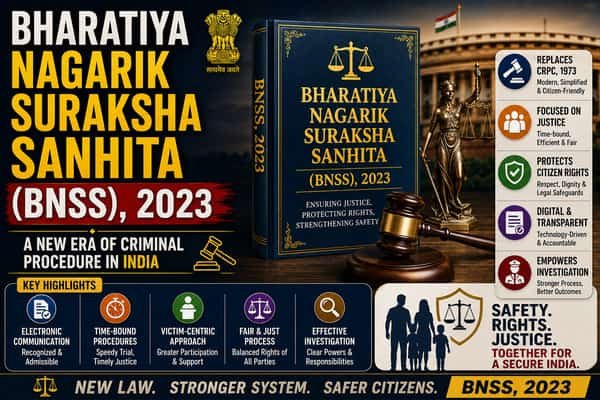
Note: From 1 July 2024, the Code of Criminal Procedure, 1973 has been replaced by the Bharatiya Nagarik Suraksha Sanhita (BNSS), 2023. However, Section 125 CrPC remains relevant for understanding earlier cases and legal principles.
Enforcement of Monetary Relief Orders
Once the Magistrate passes an order under Section 20, the respondent is legally required to comply with it.
Failure to obey the order may result in legal consequences in accordance with the provisions of the Domestic Violence Act and other applicable laws.
Courts have powers to enforce their orders through the legal process.
Rights of an Aggrieved Woman
A woman seeking relief under Section 20 has several important legal rights.
These include:
- Right to apply for monetary relief.
- Right to seek maintenance where legally justified.
- Right to claim compensation for financial losses.
- Right to present evidence before the court.
- Right to legal representation.
- Right to protection under the Domestic Violence Act.
The court examines each case individually before granting relief.
Importance of Section 20
Section 20 plays a vital role in protecting victims of domestic violence.
Its significance includes:
- Reducing financial dependence.
- Supporting rehabilitation.
- Protecting women from economic abuse.
- Promoting dignity and financial security.
- Helping children receive necessary support.
- Strengthening access to justice.
The provision recognizes that meaningful legal protection includes both physical safety and financial stability.
Practical Tips for Victims
If you are seeking monetary relief under the Domestic Violence Act:
- Preserve medical records and bills.
- Maintain proof of income and expenses.
- Keep documents relating to damaged property.
- Collect evidence of financial losses where available.
- Consult a qualified advocate or legal aid authority.
- Seek timely legal assistance to protect your rights.
Proper documentation can help the court assess the appropriate relief.
Frequently Asked Questions (FAQs)
1. What is Section 20 of the Domestic Violence Act?
A. Section 20 empowers the Magistrate to grant monetary relief, including maintenance, medical expenses, loss of earnings, property damage, and other financial compensation to an aggrieved woman.
2. Can maintenance be granted under Section 20?
A. Yes. The court may award maintenance to the aggrieved woman and, where appropriate, her children, depending on the facts and circumstances of the case.
3. How does the court determine the amount of monetary relief?
A. The court considers factors such as the respondent’s income, the victim’s financial needs, medical expenses, standard of living, and the losses suffered due to domestic violence.
4. Is Section 20 applicable only in cases of physical violence?
A. No. Relief under the Domestic Violence Act may also arise in cases involving other recognized forms of domestic violence, including economic abuse, subject to the facts of the case and the provisions of the Act.
Disclaimer: This article is intended for general informational and educational purposes only. It provides a simplified overview of Section 20 of the Protection of Women from Domestic Violence Act, 2005 and should not be treated as legal advice. The grant and amount of monetary relief depend on the facts of each case, the evidence presented, applicable statutory provisions, and judicial interpretation. If you are facing domestic violence or require legal assistance regarding maintenance or monetary relief, consult a qualified legal professional or approach the appropriate legal aid authority.